


Table of Contents
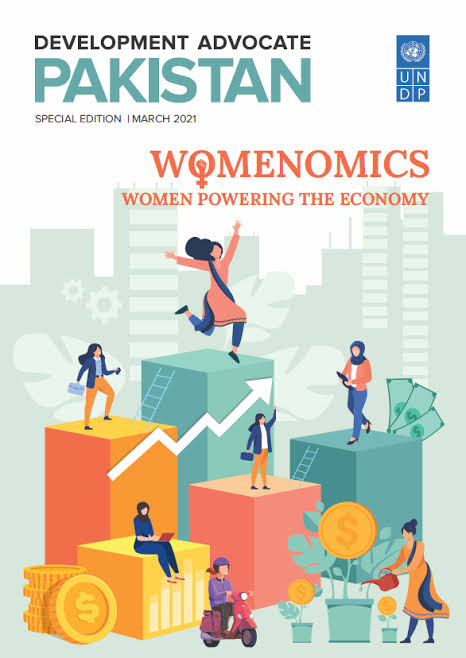
Women in Pakistan’s Economy
Pakistan’s economic challenges are often discussed through inflation, debt, exports, investment and employment. One structural issue deserves greater attention: the country’s inability to fully utilise the economic potential of women.
Women contribute to agriculture, manufacturing, education, healthcare, services, home-based production, entrepreneurship and unpaid family work. Yet many face barriers to entering paid employment, growing businesses or accessing formal economic opportunities. This is not only a question of equality; it is also a question of productivity, household income and business competitiveness.
What do labour-market figures tell us?
Pakistan Bureau of Statistics publications show that female labour-force participation has improved over time, but remains substantially below male participation. The PBS Employment Trend Report 2025 reports female labour-force participation of 26.3% in 2024–25 under its stated statistical framework, compared with 80.4% for men.
Rates can differ across publications because of age coverage, survey design and statistical definitions. Labour-force participation includes people who are employed and people actively seeking work; it is not the same as the employment-to-population ratio.
Why low female participation matters economically
Lost productive capacity
When women cannot access work that matches their skills, the economy loses potential output and expertise. This matters in education, healthcare, technology, professional services and manufacturing.
Lower household income
Access to safe, fairly paid work can improve household resilience when families face inflation, unemployment or unexpected expenses. Employment should be assessed alongside transport, childcare and other costs that affect take-home income.
Smaller businesses and fewer jobs
Women entrepreneurs can create jobs, serve markets and introduce products. Constraints in finance, networks, technology, property and market access can prevent viable enterprises from scaling.
Lower returns on education
If educated women cannot enter or remain in the labour market, the economic return on education is reduced. The issue is not only access to education but the availability of pathways to use those skills.
The barriers are structural
Safe and affordable transport
Long commutes, unreliable transport and safety concerns can make employment inaccessible, especially for women with family responsibilities.
Childcare and care responsibilities
Unpaid care work affects women’s ability to enter and remain in paid employment. Accessible childcare and flexible schedules can reduce this constraint.
Workplace culture and discrimination
Harassment, discriminatory recruitment, unequal promotion and inflexible practices discourage participation. Employers need clear policies, effective complaint mechanisms and accountability.
Skills and access to jobs
Education does not always translate into market-ready skills or employment. Women need access to technical training, digital skills, internships, networks and career pathways.
Access to finance and markets
Women entrepreneurs may face difficulty accessing collateral, credit, registration, payment systems and distribution networks.
The gender pay gap is a productivity issue
ILO research on Pakistan identifies a substantial gender pay gap and points to occupational segregation, informal work and discriminatory practices among contributing factors. Exact estimates vary by wage measure and sample. Employers can respond through transparent salary bands, gender-neutral job evaluation, structured promotion, equal access to training and regular pay-equity reviews.
Why women’s entrepreneurship deserves attention
Women-led businesses can operate in technology, education, consulting, manufacturing, retail, agriculture and professional services. But starting a business is different from scaling one. Practical support includes business registration, access to finance, digital payments, ecommerce, mentoring, market connections, technology and training in financial records and operations.
Remote work and digital platforms
Digital work can create opportunities in digital marketing, content, software, online education, research, administration, ecommerce and consulting. However, remote work is not a complete solution. Women still need reliable internet, devices, digital skills, secure payment channels, fair contracts and protection against online harassment and exploitation.
What can employers do?
- Review recruitment processes for unnecessary barriers.
- Offer flexible work arrangements where operationally feasible.
- Improve workplace safety and provide functional complaint procedures.
- Use transparent salary and promotion criteria.
- Provide professional development and return-to-work pathways.
- Track recruitment, retention, promotion and pay data.
- Consider safe transport and family-supportive policies.
What should government and institutions prioritise?
Priorities include safe mobility, quality childcare, market-linked skills, finance for women-led enterprises, simpler formalisation processes and better measurement of paid, unpaid and informal work.
How should Pakistan measure progress?
Useful indicators include female labour-force participation, employment-to-population ratio, formal employment share, gender pay gap, women-owned business survival and revenue growth, access to finance, leadership representation and workplace retention.
Frequently asked questions
What is female labour-force participation?
It is the share of the relevant working-age population that is employed or actively seeking employment under the statistical definition used.
Why is women’s employment important for Pakistan?
It can increase productive capacity, household income, skills utilisation, entrepreneurship and business competitiveness.
What prevents women from working?
Common constraints include unsafe or expensive transport, unpaid care, limited childcare, discrimination, harassment, skills mismatches and restricted access to finance.
Can remote work improve participation?
It can reduce some mobility and location barriers, but requires reliable internet, digital skills, fair contracts, secure payments and protection against exploitation.
Conclusion
Pakistan cannot treat women’s economic participation as a secondary social issue. It is connected to productivity, household resilience, skills utilisation, entrepreneurship and national competitiveness. The objective should be access to safe, fairly paid, productive and sustainable opportunities.
Would your organisation benefit from stronger HR systems and inclusive workplace practices? DMMS HR Consultancy supports HR processes, workplace policies, professional training and organisational development. Visit dmms.pk or contact DMMS on WhatsApp at +92 323 8886780.
Sources and further reading
- Pakistan Bureau of Statistics — Labour Force Statistics
- PBS — Employment Trend Report 2025
- International Labour Organization
- World Bank — Pakistan
Editorial note: Labour-force statistics depend on age coverage, survey design and definitions. Verify the latest PBS and ILO figures before publication.


