

Areas: Women’s rights, AI safety, social media, digital protection and public participation
Reported: 18 October 2026

What happened?
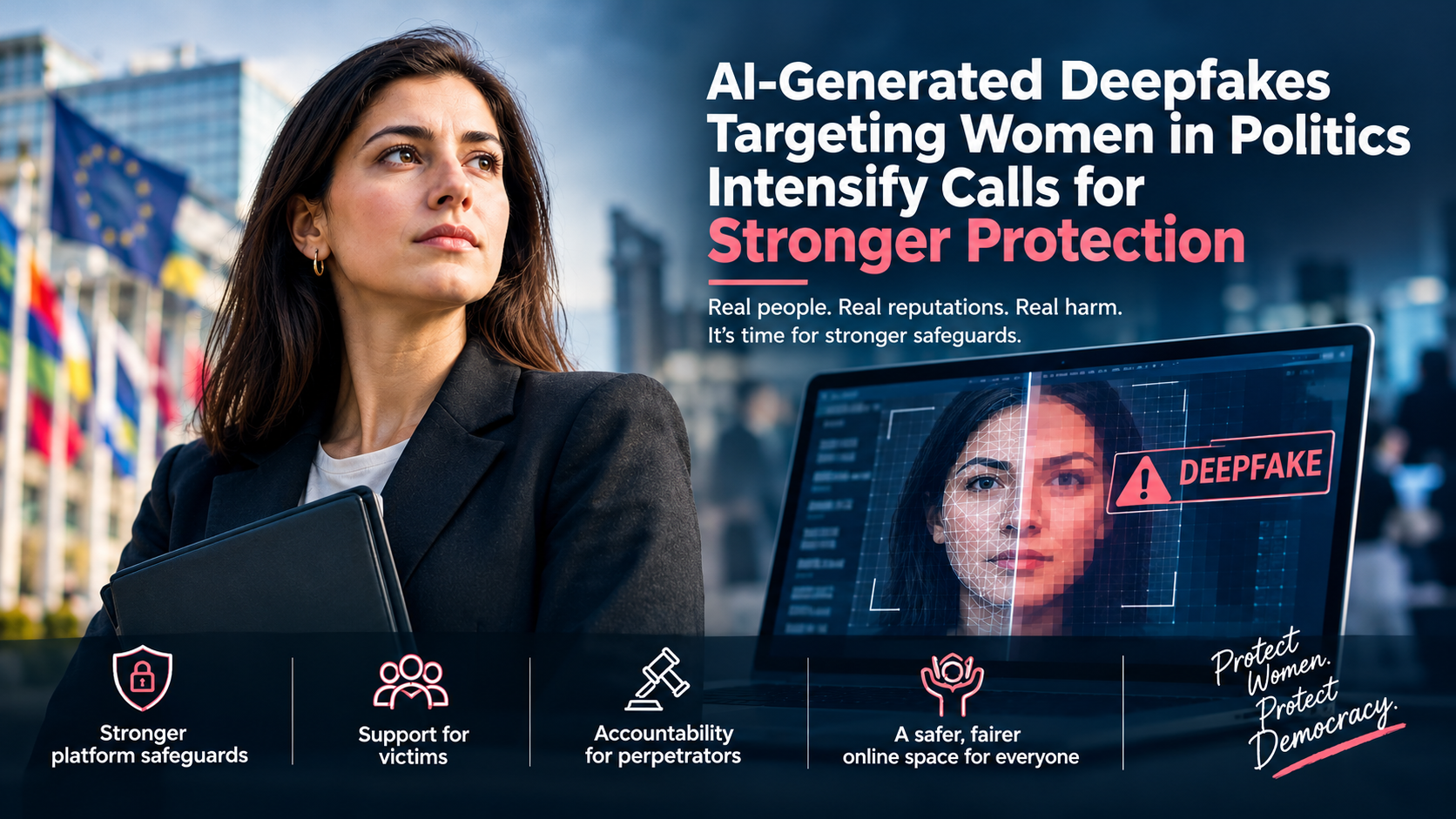
Austrian Member of the European Parliament Lena Schilling publicly condemned the circulation of non-consensual sexualised deepfakes depicting her.
The controversy has intensified calls for action against AI tools that generate fabricated intimate images without the subject’s consent.
The Guardian reported that a study by Agora Digitale Transformation found that at least 50 members of the European Parliament, predominantly women, had been targeted with sexualised AI-generated content. The organisation reported that women were substantially more likely than men to be targeted in the material it examined. These figures describe the study’s findings, not a complete count of every affected politician.
The report also described a letter signed by 119 MEPs urging stronger enforcement of an upcoming European ban on AI applications designed to remove clothing from images or generate sexualised material.
Why it matters
Deepfake abuse can harm someone even when an image or video is fabricated.
Perpetrators may use such material to humiliate, intimidate, blackmail or damage a person’s reputation. Women in public-facing roles can be particularly vulnerable because the abuse may also be intended to discourage them from participating in politics, journalism, education or public debate.
This is not simply a question of whether an image is authentic. It is also a question of consent, privacy, dignity and accountability.
Analysis: Technical tools can make fabricated images easier to create, but preventing abuse requires more than detection. Platforms need accessible reporting processes, appropriate moderation and meaningful action against perpetrators.
Practical digital-safety measures
For individuals and families
- Strengthen account security. Use unique passwords, multifactor authentication and secure account-recovery options.
- Limit unnecessary exposure. Review public photographs, personal details, location information and account visibility.
- Preserve evidence safely. If threatened, keep relevant messages, usernames, dates and URLs where it is safe to do so.
- Avoid spreading the material. Do not repost or forward intimate images to expose the perpetrator; this can amplify the harm.
- Report the abuse. Use the platform’s reporting mechanism and contact the appropriate authorities where an offence may have occurred.
- Seek support without shame. Victims should not be blamed for someone else’s decision to fabricate or distribute an image.
For parents and educators
Teach children how to recognise manipulation, report threats and seek adult support. Make it clear that sharing or creating an intimate image of someone without consent is not harmless entertainment.
Resources worth knowing
- StopNCII.org helps eligible adults create digital fingerprints of intimate images on their own devices so participating platforms can identify matching material. It cannot guarantee removal from every website.
- Digital Rights Foundation provides digital-rights information and support resources in Pakistan.
- National Cyber Crime Investigation Agency provides official information about cybercrime reporting in Pakistan.
- Project Tahaffuz’s physical and digital safety resource offers relevant awareness material on prevention and protection.
Legal distinction: The European regulatory developments described here apply within the relevant European legal framework. They should not be interpreted as Pakistani law. People in Pakistan should consult the appropriate local authorities and qualified legal support about their particular circumstances.
Source: The Guardian’s report on the deepfake abuse of women in European politics
Your practical action list for today
| Priority | Action | Who benefits |
|---|---|---|
| Business and marketing | Identify one customer-journey problem that could be improved through better data, follow-up or automation. | Consultants, freelancers and SMEs |
| Education | Monitor official announcements about the allocation of Gauth AI subscriptions; verify eligibility before registering. | Teachers, students and parents |
| Energy and finances | Review fuel-sensitive business expenses and follow official price announcements. | Households and businesses |
| Humanitarian support | Verify aid organisations and fundraising campaigns before donating or sharing appeals. | Donors and affected families |
| Digital safety | Review account security and know how to report image-based abuse. | Women, parents, educators and community organisations |
Three broader insights
1. AI is changing how organisations compete. The value increasingly lies in applying technology to real customer, educational or operational problems—not simply adopting the newest tool.
2. Economic and geopolitical risks are interconnected. Energy disruptions can affect business costs and household budgets far beyond the region where the disruption begins.
3. Digital progress must be accompanied by accountability. AI can expand access to knowledge and improve productivity, but it can also facilitate privacy violations, misinformation and abuse. Effective safeguards and responsible use need to develop alongside the technology.
Verification note: This briefing reflects reporting available on 21 October 2026. Company announcements, reported study findings and humanitarian-agency figures are attributed to their sources. Market movements are time-specific, and the practical recommendations are analysis rather than guarantees of outcomes.


Share your views on it